Coif 12th century
Coif - 12th Century
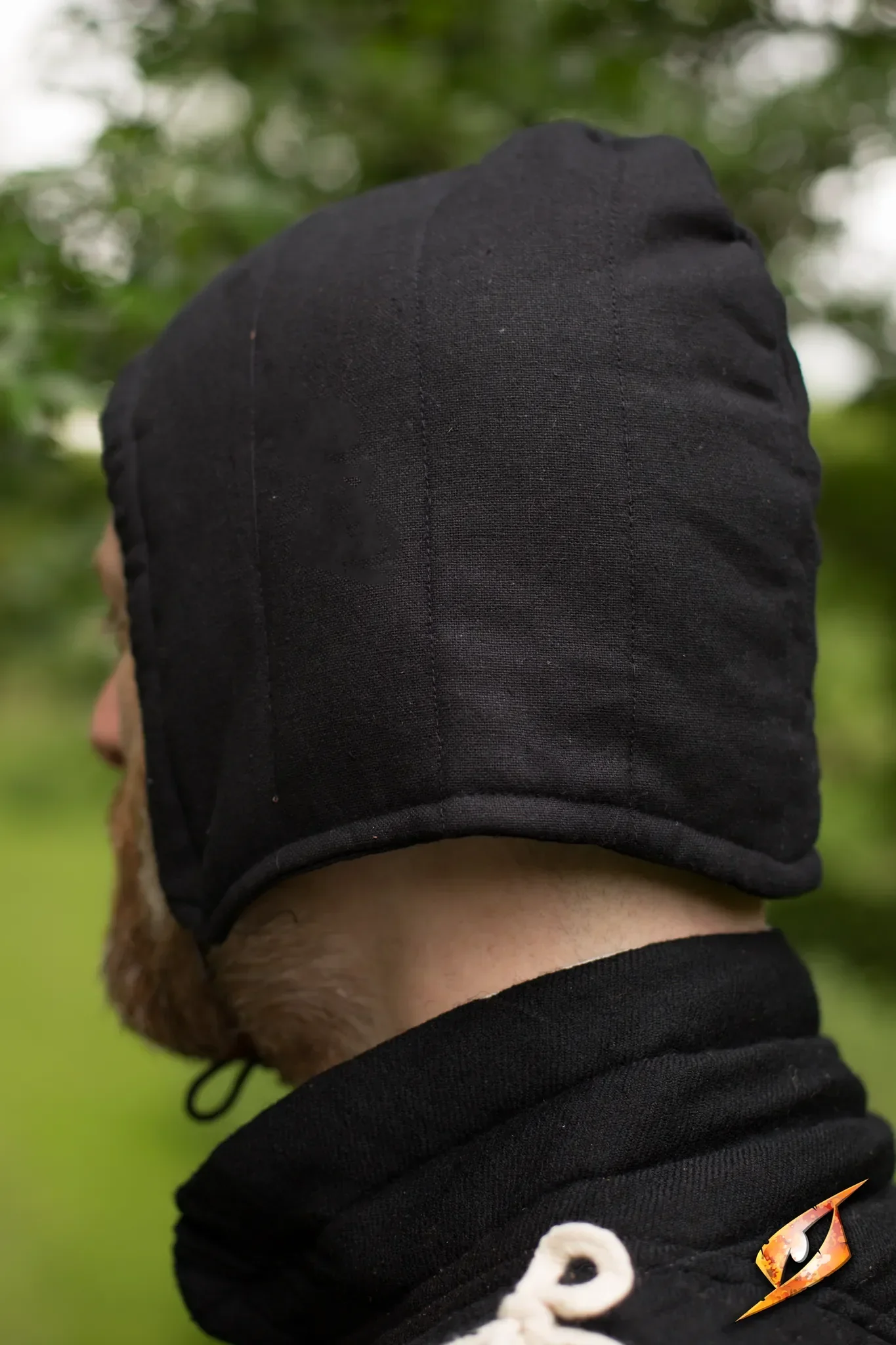
The 12th-century coif is a simple, close-fitting cap that covers your hair and ears. In the Middle Ages, it was a staple for almost everyone, either worn on its own or as a base layer. If you're wearing a helmet or a mail coif, this piece is essential for stopping your hair from getting snagged in the metal and making the fit much more comfortable.
We use breathable cotton for this coif to help keep your head cool when you're active. It secures with two simple ties under the chin, so it won't slide around while you move. While it's styled after high-medieval fashion, these stayed in use all the way through the late medieval period, so it fits a huge range of kits.
The seams are sewn flat to prevent those annoying pressure marks you normally get from wearing headgear stacked up. It also acts as a sweat barrier, which helps keep your more expensive hats and helmets looking good for longer.
Highlights
-
Common headwear for everyone, from knights to peasants, throughout the Middle Ages.
-
Breathable cotton helps manage heat and moisture during long events
-
Under-armor protection stops your hair from pulling in mail or helmets
-
Flat seams stay comfortable even when you're wearing heavy gear on top
-
Easy to wash and maintain after a weekend in the dirt
-
A period-fluid piece, that while in this style was normalized in the 12th century, was worn well into the late medieval period.
Coif - 12th Century
The 12th-century coif is a simple, close-fitting cap that covers your hair and ears. In the Middle Ages, it was a staple for almost everyone, either worn on its own or as a base layer. If you're wearing a helmet or a mail coif, this piece is essential for stopping your hair from getting snagged in the metal and making the fit much more comfortable.
We use breathable cotton for this coif to help keep your head cool when you're active. It secures with two simple ties under the chin, so it won't slide around while you move. While it's styled after high-medieval fashion, these stayed in use all the way through the late medieval period, so it fits a huge range of kits.
The seams are sewn flat to prevent those annoying pressure marks you normally get from wearing headgear stacked up. It also acts as a sweat barrier, which helps keep your more expensive hats and helmets looking good for longer.
Highlights
-
Common headwear for everyone, from knights to peasants, throughout the Middle Ages.
-
Breathable cotton helps manage heat and moisture during long events
-
Under-armor protection stops your hair from pulling in mail or helmets
-
Flat seams stay comfortable even when you're wearing heavy gear on top
-
Easy to wash and maintain after a weekend in the dirt
-
A period-fluid piece, that while in this style was normalized in the 12th century, was worn well into the late medieval period.
Original: $14.00
-65%$14.00
$4.90Description
Coif - 12th Century
The 12th-century coif is a simple, close-fitting cap that covers your hair and ears. In the Middle Ages, it was a staple for almost everyone, either worn on its own or as a base layer. If you're wearing a helmet or a mail coif, this piece is essential for stopping your hair from getting snagged in the metal and making the fit much more comfortable.
We use breathable cotton for this coif to help keep your head cool when you're active. It secures with two simple ties under the chin, so it won't slide around while you move. While it's styled after high-medieval fashion, these stayed in use all the way through the late medieval period, so it fits a huge range of kits.
The seams are sewn flat to prevent those annoying pressure marks you normally get from wearing headgear stacked up. It also acts as a sweat barrier, which helps keep your more expensive hats and helmets looking good for longer.
Highlights
-
Common headwear for everyone, from knights to peasants, throughout the Middle Ages.
-
Breathable cotton helps manage heat and moisture during long events
-
Under-armor protection stops your hair from pulling in mail or helmets
-
Flat seams stay comfortable even when you're wearing heavy gear on top
-
Easy to wash and maintain after a weekend in the dirt
-
A period-fluid piece, that while in this style was normalized in the 12th century, was worn well into the late medieval period.